

Quick answer
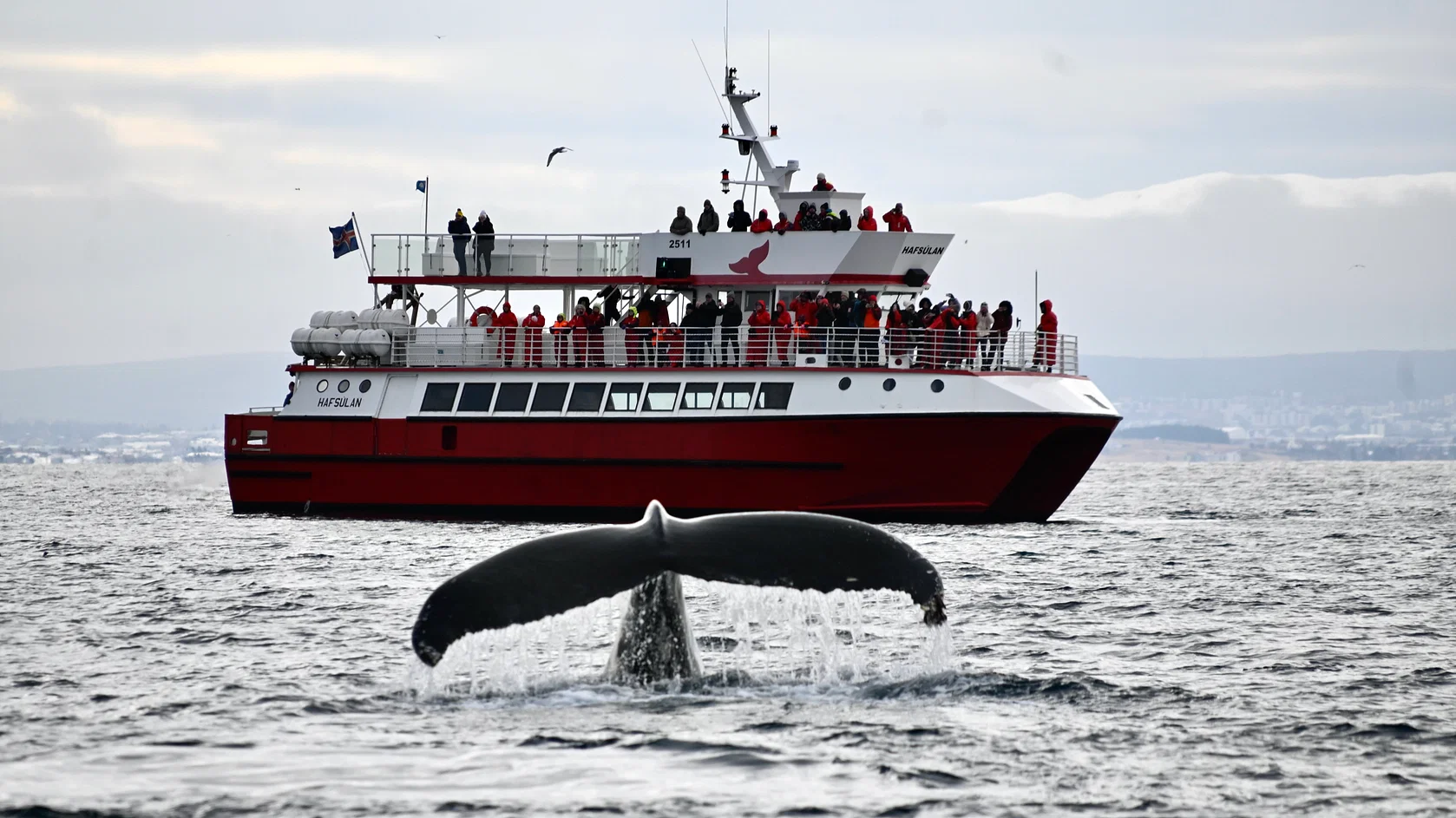
The whale watching dress code for Tagus River tours requires layered clothing with a waterproof outer shell, closed-toe non-slip footwear, and sun protection. Atlantic conditions shift rapidly—morning harbor temperatures can be 10°C cooler than midday exposed deck conditions. Wind speed increases significantly once vessels leave the sheltered estuary, and spray from wave action soaks unprotected clothing within the first thirty minutes at sea.
Atlantic cetacean observation operates under marine conditions that change faster than terrestrial weather. Tours departing from Doca de Santo Amaro begin in the calm of the Tagus estuary before entering the rougher waters where common dolphins and occasional fin whales feed along the continental shelf edge. The layering principle governs clothing strategy. A moisture-wicking base layer manages perspiration during boarding and sheltered cruising. An insulating mid-layer—fleece or lightweight down—provides thermal regulation as the vessel reaches open water. The outer shell must be waterproof, not merely water-resistant, since bow spray and occasional swells create sustained wetness that penetrates anything less than a sealed membrane. Hoods matter: wind chill at fifteen knots drops perceived temperature by eight degrees, and exposed ears lose heat rapidly. Footwear determines safety on wet fiberglass decks. Leather-soled shoes and open sandals create slip hazards when saltwater mixes with deck coatings. Rubber-soled closed shoes with ankle support prevent the twisted ankles that result from sudden vessel pitching during dolphin approaches. Cotton fabrics—jeans, hoodies, standard t-shirts—retain water and lose insulating capacity, leaving passengers cold and uncomfortable for the duration of the voyage. Sun exposure intensifies on water. The ocean surface reflects UV radiation upward, doubling facial exposure even under cloud cover. Polarized sunglasses reduce glare that obscures dorsal fins and breaching behavior, while wide-brimmed hats secured with chin straps prevent loss during observation maneuvers. Sunscreen rated SPF 30 or higher protects exposed skin on neck, ears, and hands—areas passengers forget until redness appears hours after docking. Operators recommend arriving dressed rather than carrying changes. Onboard facilities are minimal, and the clothing appropriate for shore is rarely suitable for two hours in Atlantic wind. The whale watching dress code guide prioritizes function over fashion: those who dress for maritime reality see more wildlife and enjoy the experience, while underprepared passengers spend tours seeking shelter rather than scanning horizons.
“Atlantic conditions shift rapidly—morning harbor temperatures can be 10°C cooler than midday exposed deck conditions.”
Essential Whale Watching Dress Code and Onboard Etiquette
Maritime conditions on the Tagus demand practical clothing that keeps you warm, dry, and secure on deck. Proper dress ensures comfort during the tour and respects safety protocols aboard.
Do
- Wear layered waterproof clothing that blocks wind and spray
- Bring non-slip closed-toe shoes with good grip for wet deck surfaces
- Pack a warm fleece or jacket even during summer months
- Secure loose items and tie back long hair before boarding
- Carry sunglasses and sunscreen for extended sun exposure at sea
- Bring a waterproof bag to protect electronics and personal belongings
Don't
- Wear open-toe sandals, flip-flops, or heeled shoes on deck
- Bring single-layer cotton clothing that stays wet and cold
- Leave without checking weather forecasts for wind and rain conditions
- Wear loose scarves or accessories that can catch in equipment
- Forget eye protection when scanning the water for wildlife
- Rely solely on summer clothing without wind-resistant outer layers
Whale Watching Dress Code and Preparation Checklist
Preparation ensures comfort and safety on the water.
-
Book your tour in advance — Friday–Sunday slots fill quickly during peak season.
-
Bring sun protection (SPF 30+, hat, sunglasses) — UV exposure reflects off the water and intensifies.
-
Pack motion sickness medication if prone — Sea conditions can be choppy even on calm days.
-
Carry a valid ID — Required for check-in at Doca de Santo Amaro.
-
Arrive 15 minutes before departure — Allows time for safety briefing and boarding.
-
Bring binoculars for wildlife viewing — Increases your ability to spot distant dolphins and whales.
-
Apply sunscreen 30 minutes before boarding — Ensures full absorption before water exposure begins.
Best Time to Visit and Whale Watching Dress Code Adjustments
The best arrival window is 09:15–14:00, which offers the most stable sea conditions for wildlife observation. Aligning your visit with these hours necessitates layered clothing to manage the transition from cool morning breezes to warmer midday temperatures.
Spring (April–June)
Moderate15°C–22°C; layer clothing for sea spray.
May offers mild conditions and frequent sightings.
Summer (July–September)
High20°C–28°C; sun protection is essential.
High visibility, though winds may increase.
Autumn (October–November)
Low16°C–22°C; windproof jackets are recommended.
Cooler temperatures require warmer base layers.
Morning Slots
Low—
The 09:15–14:00 window minimizes sea agitation.
Verdict: Friday to Sunday, arriving between 09:15 and 14:00 during the spring or autumn months, provides the optimal balance of calm waters and visibility.
How to Reach the Whale Watching Dress Code Meeting Point
The meeting point for whale watching tours is located at Doca de Santo Amaro, Armazém 17, 1350-353 Lisboa, Portugal. The area is easily accessible by various public transport options traveling along the Tagus River waterfront.
Linha de Cascais to Alcântara-Mar station
Line 728 to Estação de Santo Amaro
Direct service to Doca de Santo Amaro
Operational Hours for Whale Watching Tours
Whale watching tours on the Tagus River operate from Friday through Sunday. Please plan your visit according to these scheduled availability days.
| Monday | Closed | |
|---|---|---|
| Tuesday | Closed | |
| Wednesday | Closed | |
| Thursday | Closed | |
| Friday | 09:15–17:00 | |
| Saturday | 09:15–17:00 | |
| Sunday | 09:15–17:00 |
Check availability
Frequently asked questions about whale watching dress code
Everything you need to know about whale watching dress code