

Quick answer
The lisbon whale watching season runs from April through October, with peak sightings concentrated between May and September when fin whales, common dolphins, and minke whales migrate past the Tagus River mouth. Spring months favor baleen whales moving north to feed, while autumn brings southbound migrations and increased dolphin activity as water temperatures shift.
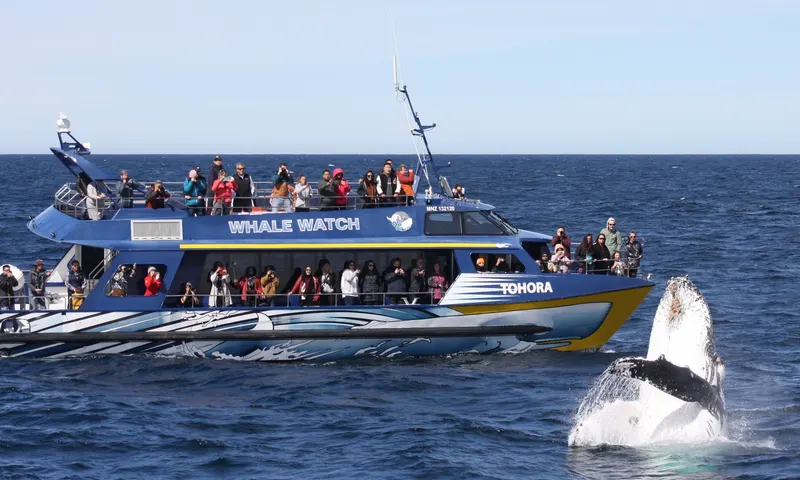
More than 28 cetacean species use the waters off Portugal's coast as a migratory highway, and the Tagus estuary offers one of Europe's most accessible observation points for tracking their seasonal movements. The continental shelf drops sharply just beyond the river mouth, creating nutrient upwellings that attract prey fish and the predators that follow them. The lisbon whale watching season aligns with two distinct migration pulses. Springtime northbound journeys bring fin whales and sei whales through Portuguese waters as they move toward Arctic feeding zones, with sightings most reliable between late April and June. These baleen whales travel close enough to shore that excursions departing from the Tagus can intercept them within 90 minutes of leaving the estuary. Summer months shift the balance toward resident dolphin pods—common dolphins, bottlenose dolphins, and occasional Risso's dolphins—that hunt sardine schools along the thermocline. By late September, southbound migrations begin as fin whales and minke whales return to temperate breeding grounds, often traveling with calves born earlier in the year. Water temperature governs which species appear when. Spring upwelling cools the surface layer to 14–16°C, ideal for krill concentrations that sustain baleen whales. Summer warming to 18–20°C disperses krill but concentrates baitfish, drawing dolphins and smaller toothed whales. Autumn cooling reverses the cycle, pulling nutrient-rich water back toward the coast and triggering a second feeding window before winter storms shut down most excursions. Marine mammal observation in Lisbon operates under strict approach protocols—boats maintain 100-meter minimum distances, engine speeds drop when animals surface, and no vessel may pursue or encircle a pod. These regulations protect cetacean behavior while preserving reliable sighting conditions. Calm morning departures between 09:00 and 11:00 offer the best combination of light, sea state, and animal activity, with afternoon wind chop reducing visibility and making surface behavior harder to detect.
“The continental shelf drops sharply just beyond the river mouth, creating nutrient upwellings that attract prey fish and the predators that follow them.”
Lisbon Whale Watching Season Operational Hours
Tour operations in the Tagus River estuary maintain consistent daily opening hours throughout the season. These times apply to the accessibility of boat excursions departing from the harbor.
| Monday | 09:00–18:00 | |
|---|---|---|
| Tuesday | 09:00–18:00 | |
| Wednesday | 09:00–18:00 | |
| Thursday | 09:00–18:00 | |
| Friday | 09:00–18:00 | |
| Saturday | 09:00–18:00 | |
| Sunday | 09:00–18:00 |
Lisbon Whale Watching Season Entrance and Excursion Costs
Access to the Tagus River itself is public and free of charge. Commercial wildlife excursion costs are determined solely by private boat operators.
Adults pay 0 EUR to access the river, while excursion costs vary depending on the specific tour operator selected.
Reaching the Tagus River for the Lisbon Whale Watching Season
The Tagus River Estuary is accessible from central Lisbon via multiple transit hubs located along the waterfront. Most whale watching excursions depart from Doca de Belém or Doca de Santo Amaro.
Cascais Line to Belém or Alcântara-Mar station
Line 1 (Green) to Cais do Sodré
Route 15E to Belém
Direct service to Doca de Belém or Santo Amaro
Lisbon Whale Watching Season Preparation Checklist
Prepare for a comfortable and safe outing on the Tagus River estuary with these essential items.
-
Book your whale watching tour in advance — Operators fill up quickly during peak season, especially morning departures.
-
Bring layered windproof clothing — Conditions on the water are cooler and windier than on land, even in summer.
-
Pack motion sickness medication if needed — The estuary can be choppy; take tablets 30–60 minutes before departure.
-
Wear polarized sunglasses and sun protection — Glare off the water is intense and UV exposure is higher on open boats.
-
Carry binoculars for distant sightings — Marine life often appears at range; most operators do not provide optical equipment.
-
Bring a waterproof phone case or dry bag — Spray and splashing are common, particularly on faster rigid inflatables.
-
Arrive 15 minutes before departure time — Late arrivals may forfeit their slot as tours depart punctually from the dock.
Check availability
Frequently Asked Questions About Lisbon Whale Watching Season
Everything you need to know about lisbon whale watching season