3 hr
Dolphin Watching with Marine Biologist
- Entry ticket
- Mobile voucher
- Valid same day
- Free cancellation
Lisbon Whale Watching Tour — Tagus River Dolphin Safaris
Marine biologists guide you to bottlenose pods, where estuary meets Atlantic.
Compare fares, pick the fit — all bookings are mobile-voucher and eligible for free cancellation where shown.
3 hr
3 hr
4 hr
Selecting the right lisbon whale watching tour provides a unique opportunity to witness marine biodiversity near the Tagus River estuary. Whether you are looking for an educational marine educator-led experience or a more flexible sightseeing approach, choosing the appropriate lisbon whale watching tour tickets ensures your visit is well-prepared.
|
Top pick Standard Dolphin Program Expert-Led Wildlife Experience |
Flexible Sightseeing Cruise Panoramic River & Coast | |
|---|---|---|
| Duration | 3 hours | 1.5–3 hours |
| Expertise | Marine biologist on board | General crew / audio guide |
| Inclusions | Boat trip, educator, digital manual | Boat trip, safety gear, landmarks |
| Best for | First-timers / Nature enthusiasts | Budget-minded / Sightseeing focus |
| See tickets & prices |
Verdict: For the most comprehensive educational lisbon whale watching tour tour, the Standard Dolphin Program is highly recommended.
Worth it for nature enthusiasts, not casual sightseers
A lisbon whale watching tour on the Tagus River divides sharply between wildlife expeditions and scenic cruises. The dolphin watching tours with marine biologists, priced around 52 EUR per adult, deliver educational commentary and a genuine search for bottlenose dolphins—but sightings are never guaranteed. You're paying for expert-guided marine biology, not a zoo experience. The Ocean Safari variant adds a faster catamaran ride. If wildlife uncertainty doesn't appeal, the sightseeing and sunset cruises offer predictable value: guaranteed views of Belém Tower, the 25 de Abril Bridge, and Cristo Rei monument, often with complimentary drinks included. The sailing experience strips back the crowds for a quieter Tagus River tour. Value hinges on expectations—marine enthusiasts who understand that cetacean encounters depend on tides, weather, and animal behavior will find the biologist-led expeditions worthwhile. Casual tourists seeking guaranteed photo opportunities should book the sightseeing or sunset cruise instead. The dolphin watching tour tickets represent investment in education and possibility, not certainty.
Bottom line: Book dolphin watching tours only if you value marine education over guaranteed sightings; otherwise, the scenic cruise delivers more predictable satisfaction for your 52 EUR.
They complement each other; most visitors who do both call the open-sea lisbon whale watching tour the more thrilling wildlife encounter, while the aquarium offers a reliable, weather-proof alternative.
|
Top pick Whale Watching Tour |
Oceanário de Lisboa | |
|---|---|---|
| Wildlife encounters | Wild dolphins and whales | 15,000+ captive marine creatures |
| Setting | Open Atlantic Ocean/Tagus River | Controlled indoor aquarium environment |
| Duration | 1.5–3 hours | 2–3 hours typical visit |
| Price per adult | 52 EUR (varies by operator) | 25–31 EUR (seasonal demand) |
| Weather reliance | Highly weather dependent | Available year-round |
| Best for | Wildlife enthusiasts and nature lovers | Families and educational exploration |
| See tickets & prices |
Verdict: Choose a lisbon whale watching tour for an authentic connection to the Atlantic ecosystem, or opt for the aquarium's lisbon whale watching tour tickets alternative if you prefer guaranteed sightings in a stable setting.
Hand-picked experiences loved by thousands of travelers
1.5 hours
Free Cancellation
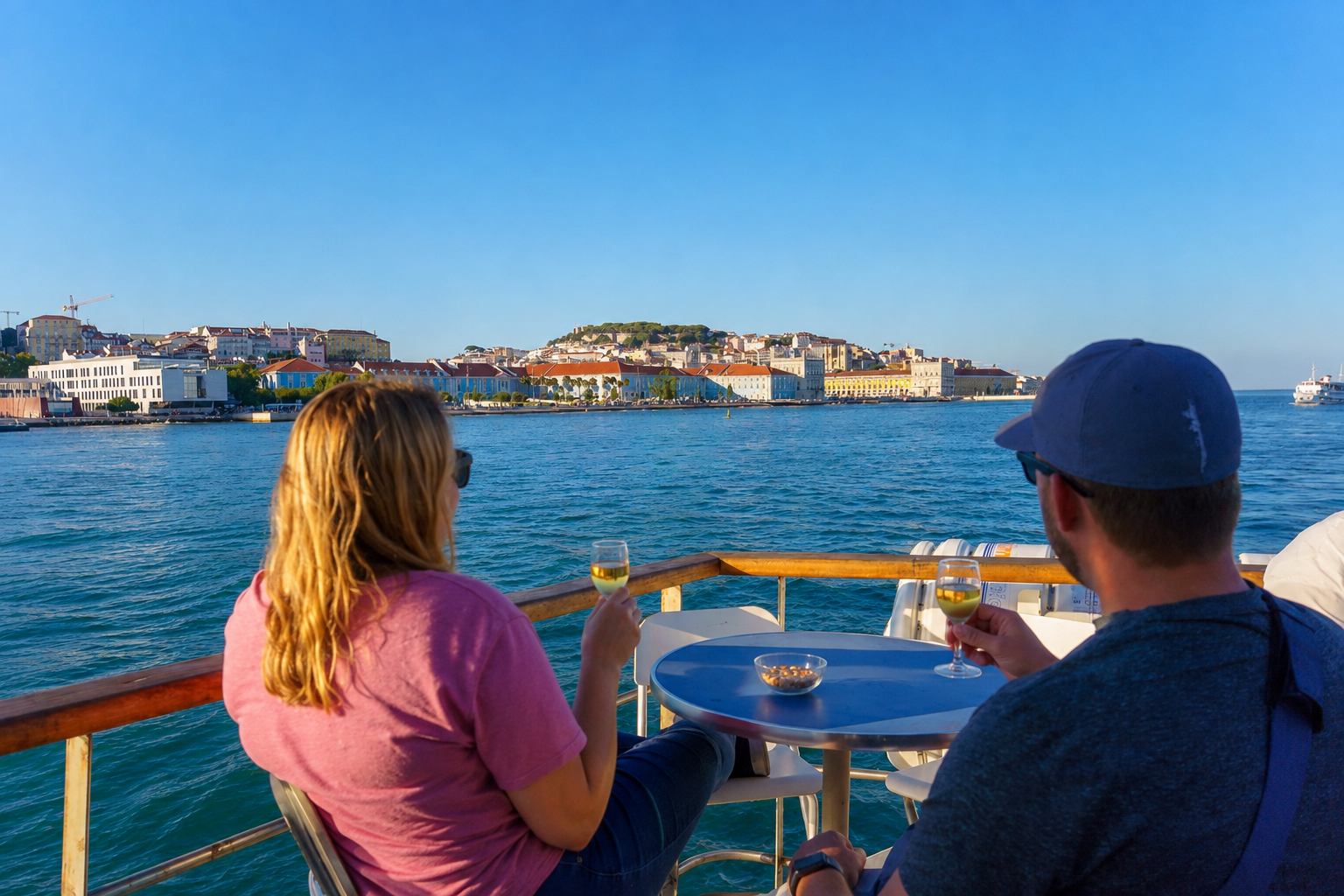
Discover Lisbon's waterfront landmarks during a relaxing 1.5-hour river journey with onboard beverage
2 hours
Free Cancellation
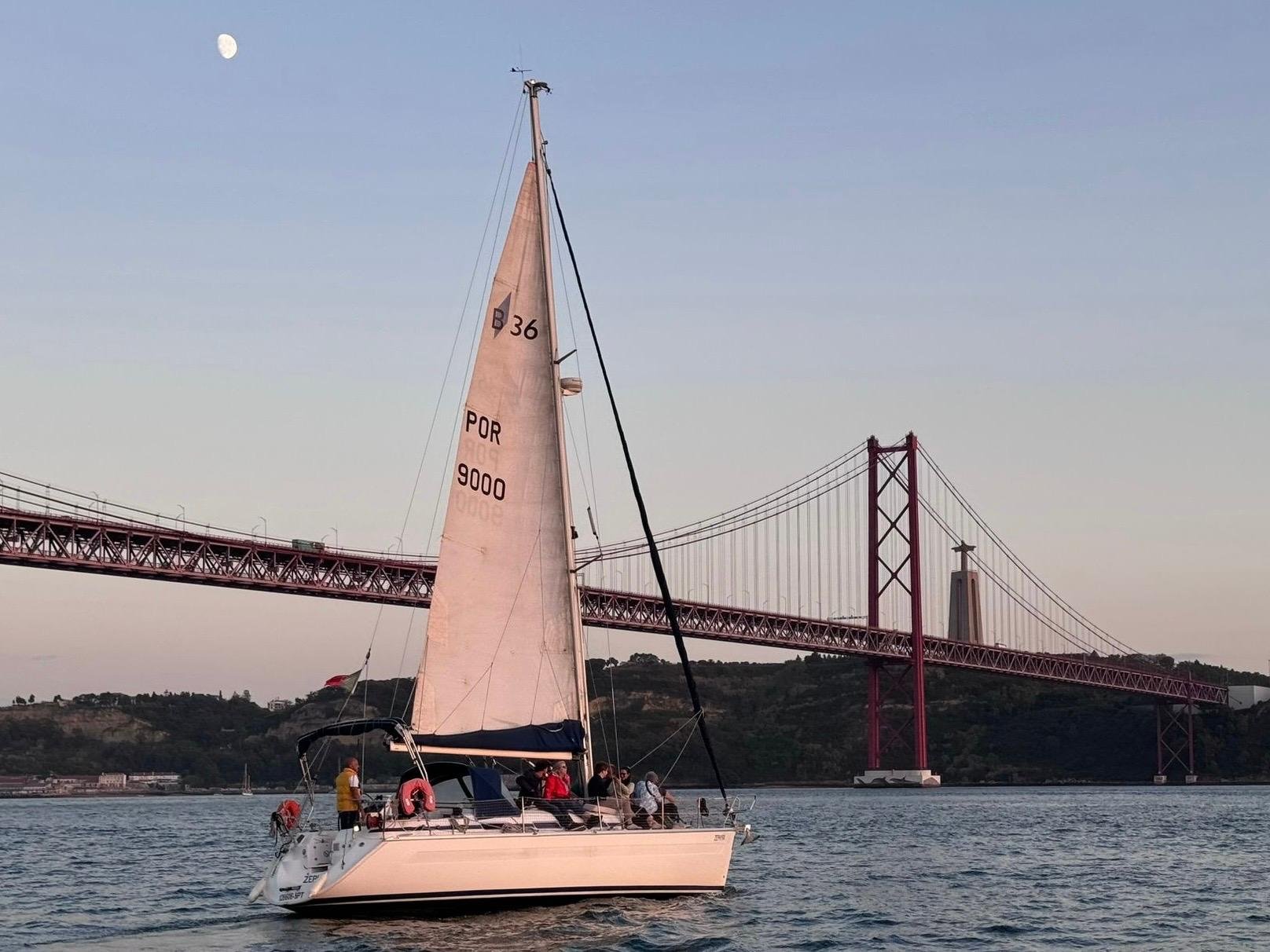
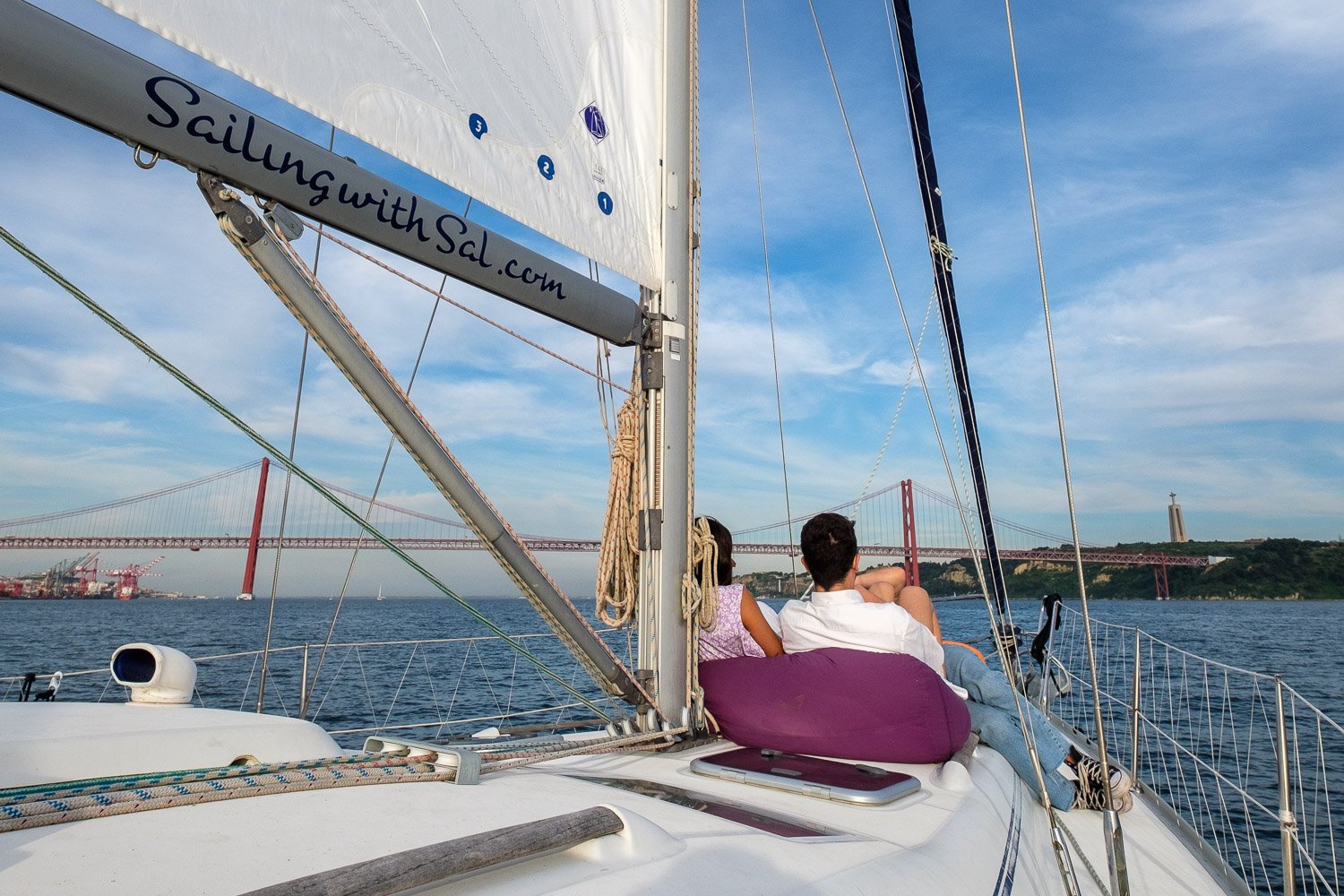
Sail past Lisbon's iconic waterfront landmarks aboard a traditional sailboat with drinks included
2 hours
Free Cancellation
Sail the Tagus River on a classic vessel while sampling Portuguese treats and wine with stunning city views
2 hours
Free Cancellation
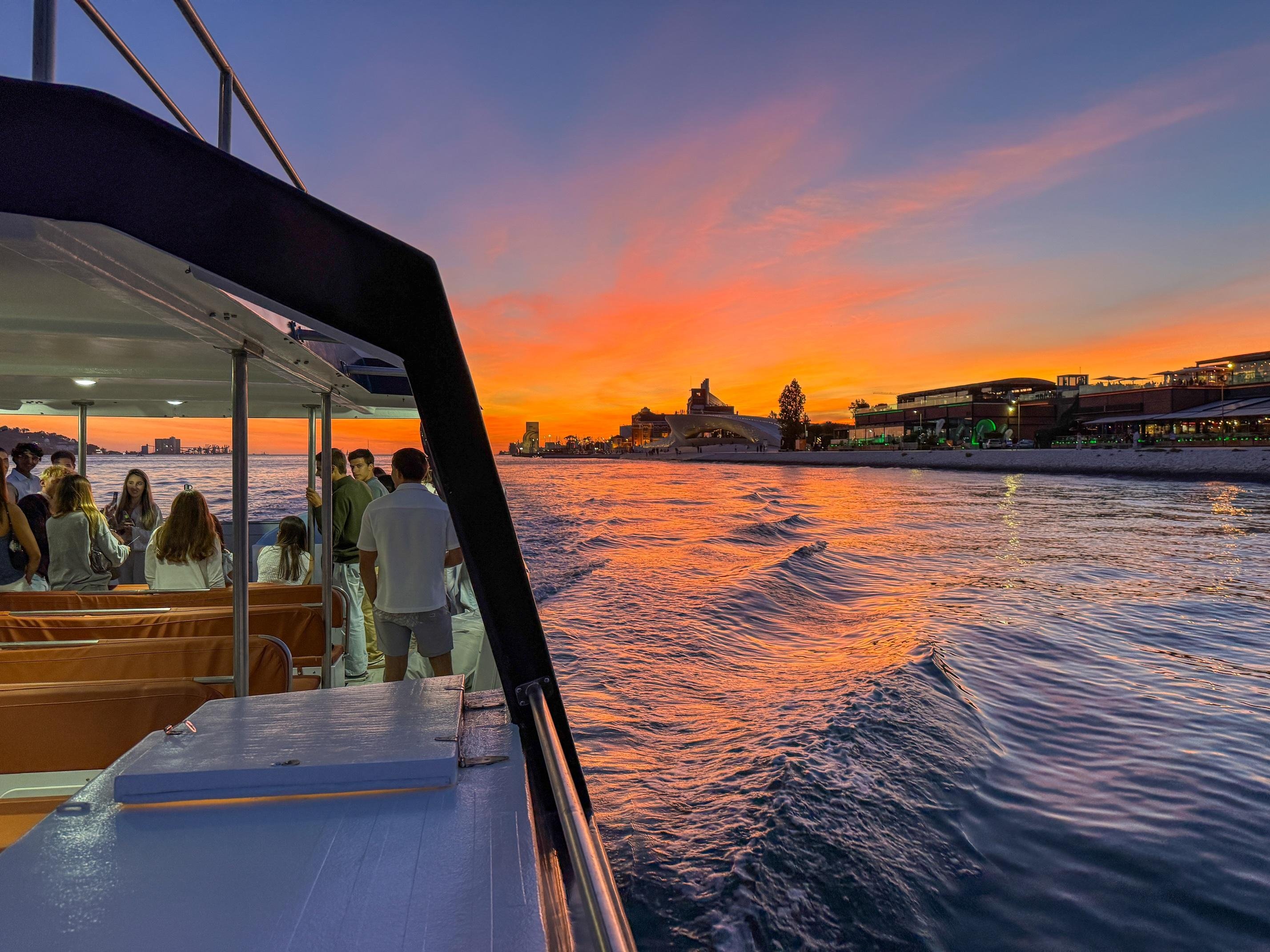
Glide past Lisbon's iconic monuments on a two-hour sunset voyage aboard a traditional sailboat
3 hours
Free Cancellation
Explore Western Europe's largest estuary and observe up to 200 bird species in a protected 14,000-hectare reserve
3 hours
Free Cancellation
Three-hour river journey combining authentic Portuguese cuisine, live Fado music, and views of Lisbon's illuminated waterfront landmarks
1.5 hours
Free Cancellation
Navigate Lisbon's streets then splash into the Tagus River aboard an amphibious vehicle
1.5 hours
Free Cancellation
Drift along Lisbon's waterfront as the sun dips below the skyline, Portuguese wine in hand.
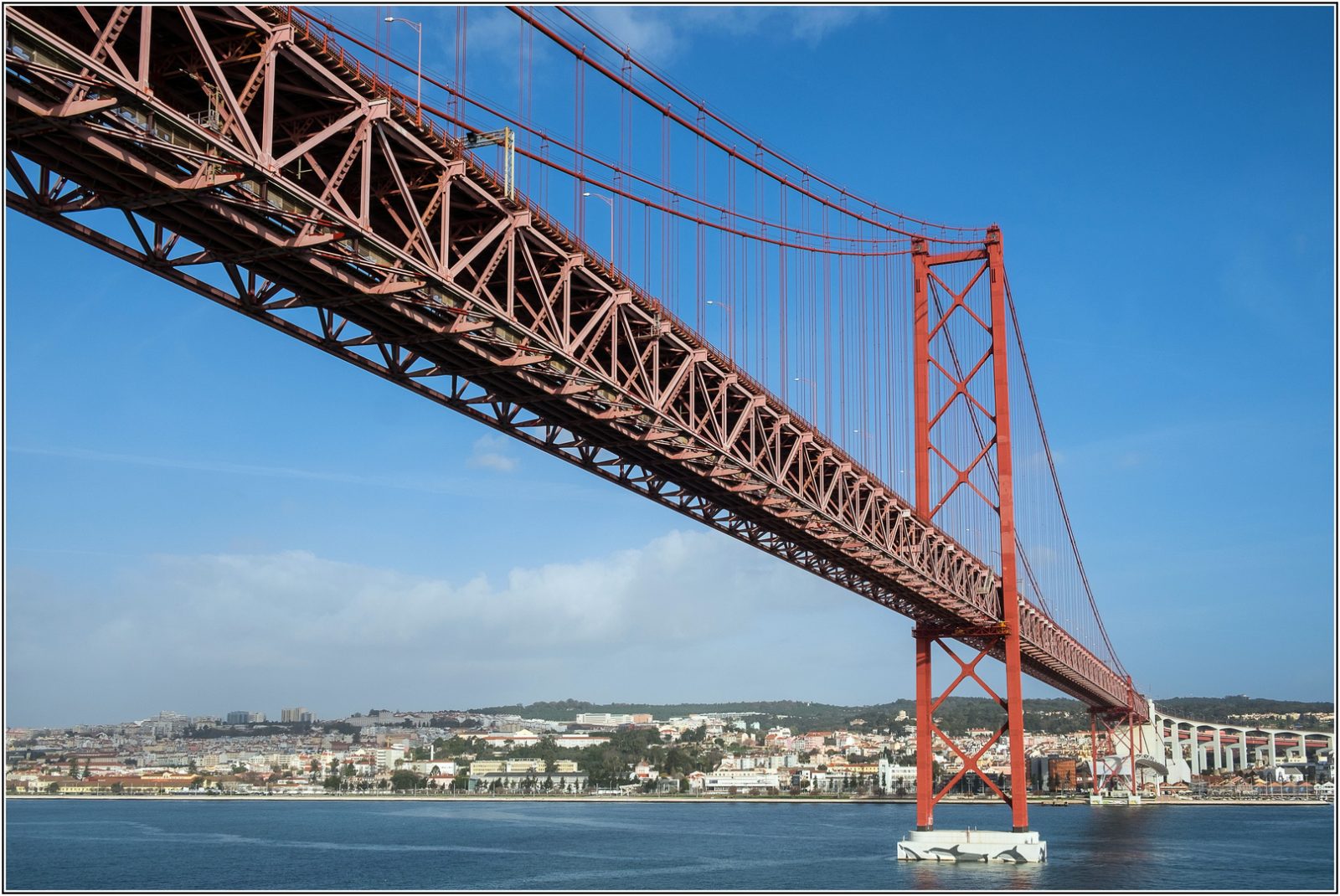
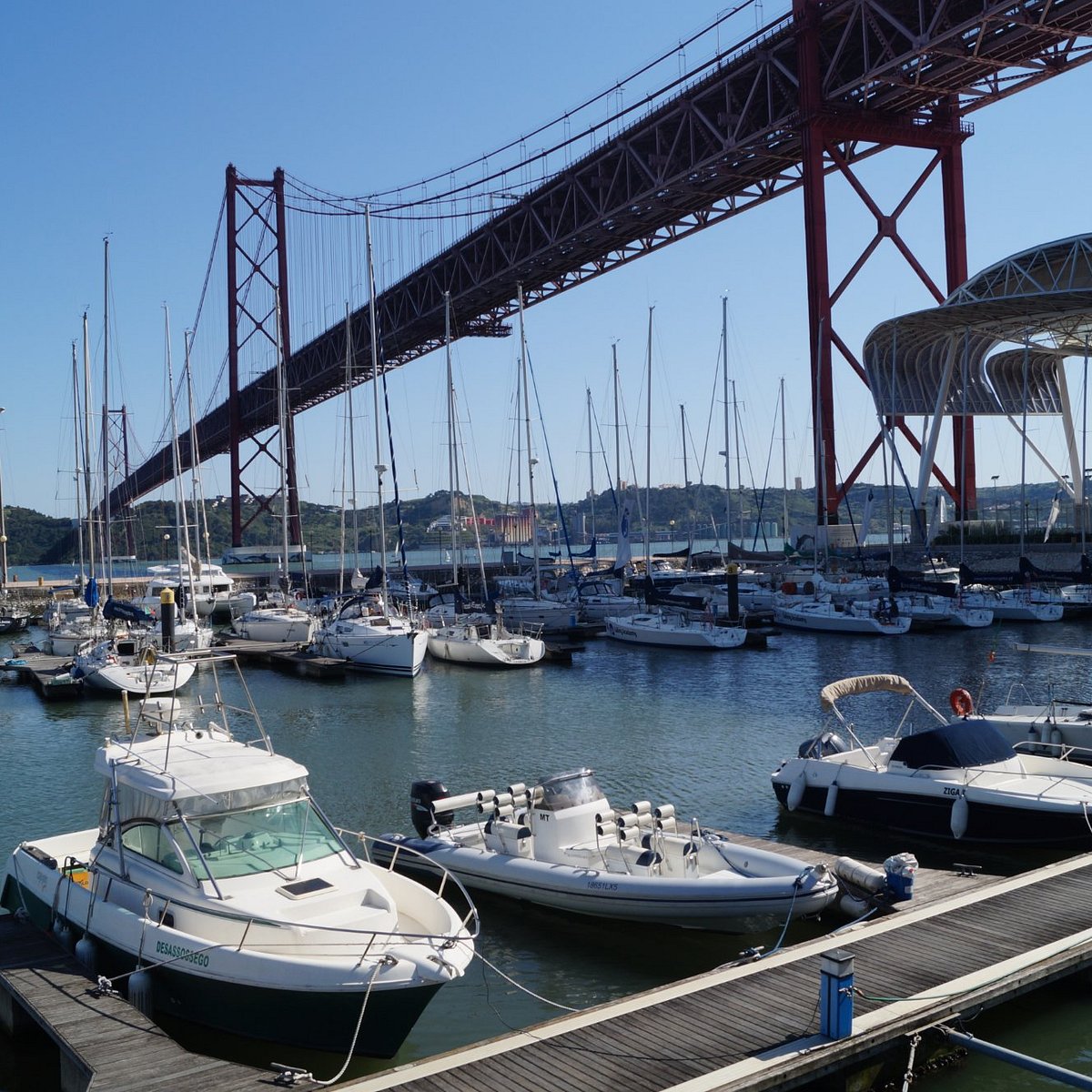
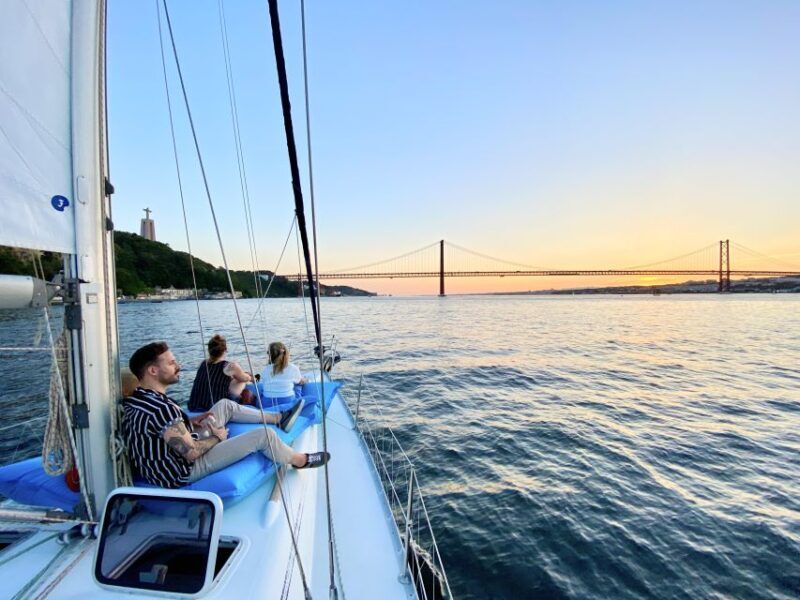
This iconic red suspension bridge provides a striking backdrop as you depart for your lisbon whale watching tour.
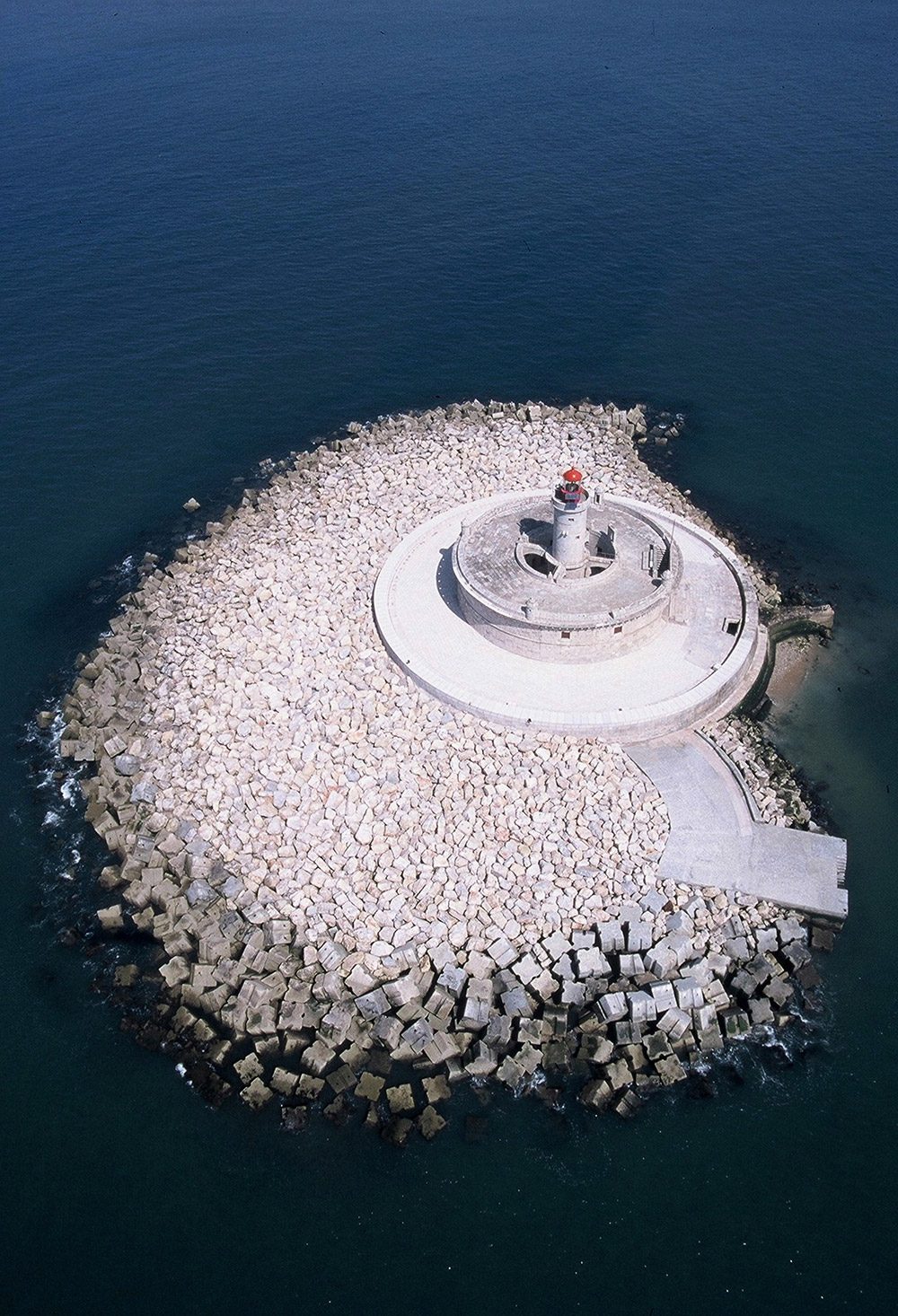
Situated at the mouth of the Tagus, this landmark marks the boundary between river and Atlantic.
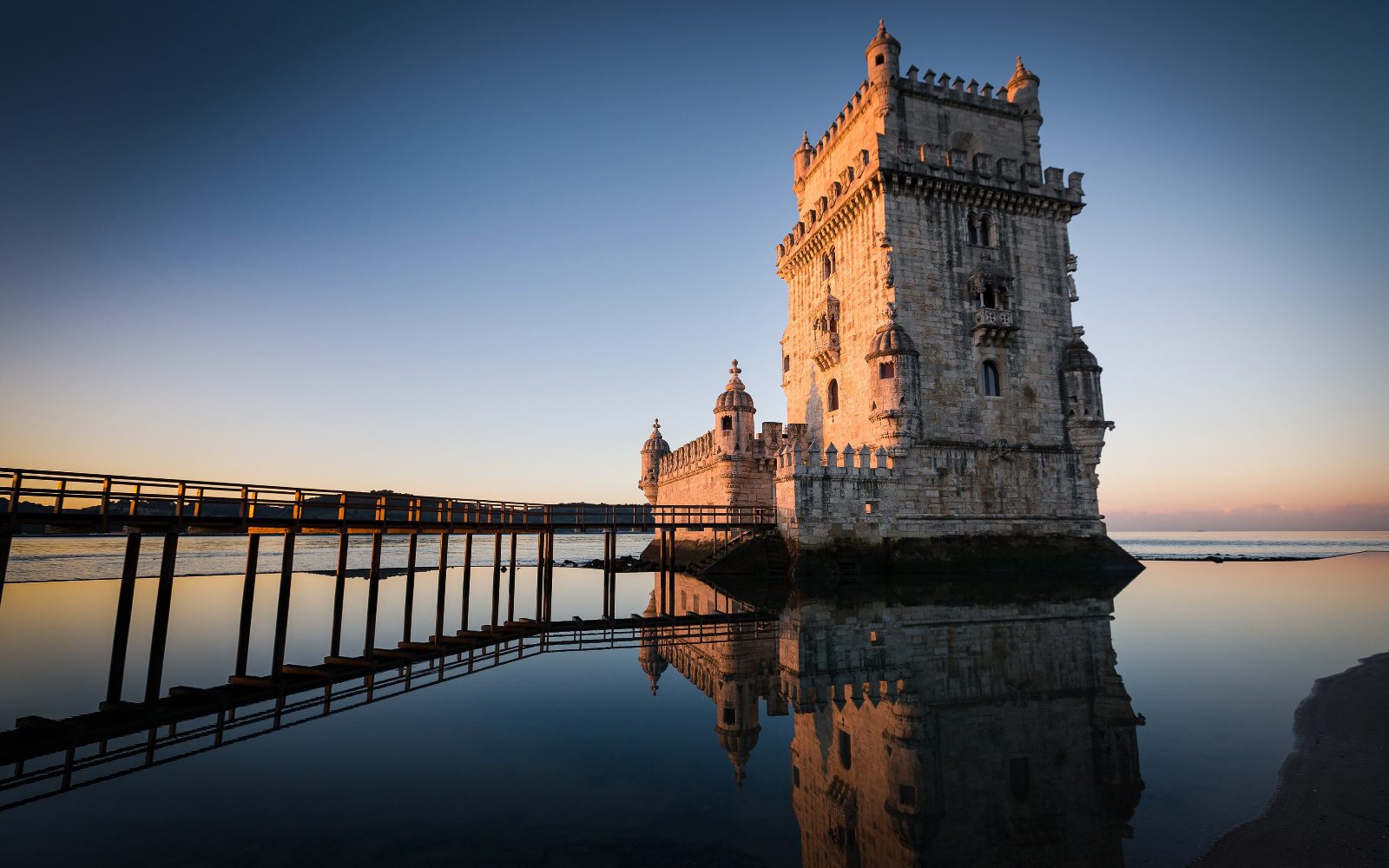
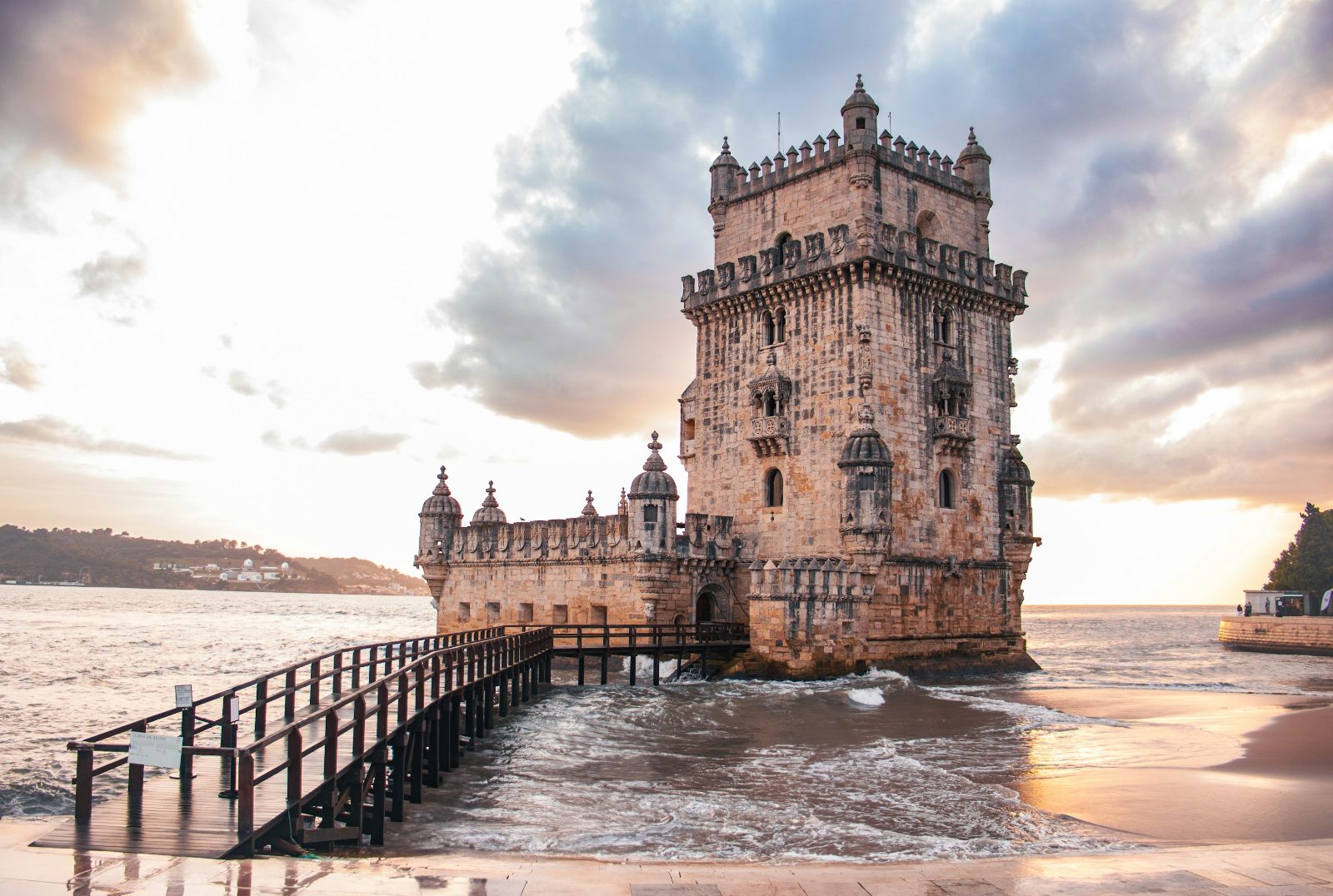
View this UNESCO World Heritage site from the water during your return trip.
The starting point for briefings and research-led departures.
Deep underwater trench known for attracting diverse migratory cetaceans.
You board at Doca de Santo Amaro just after 09:15, the marina's wooden docks still shadowed by the container cranes across the basin. The boat clears the inner harbor within ten minutes, passing beneath the April 25th Bridge's rust-red span as the Tagus widens into its estuary mouth.
Your marine biologist scans the surface with binoculars, reading the water for feeding birds and baitfish ripples that signal dolphin presence.
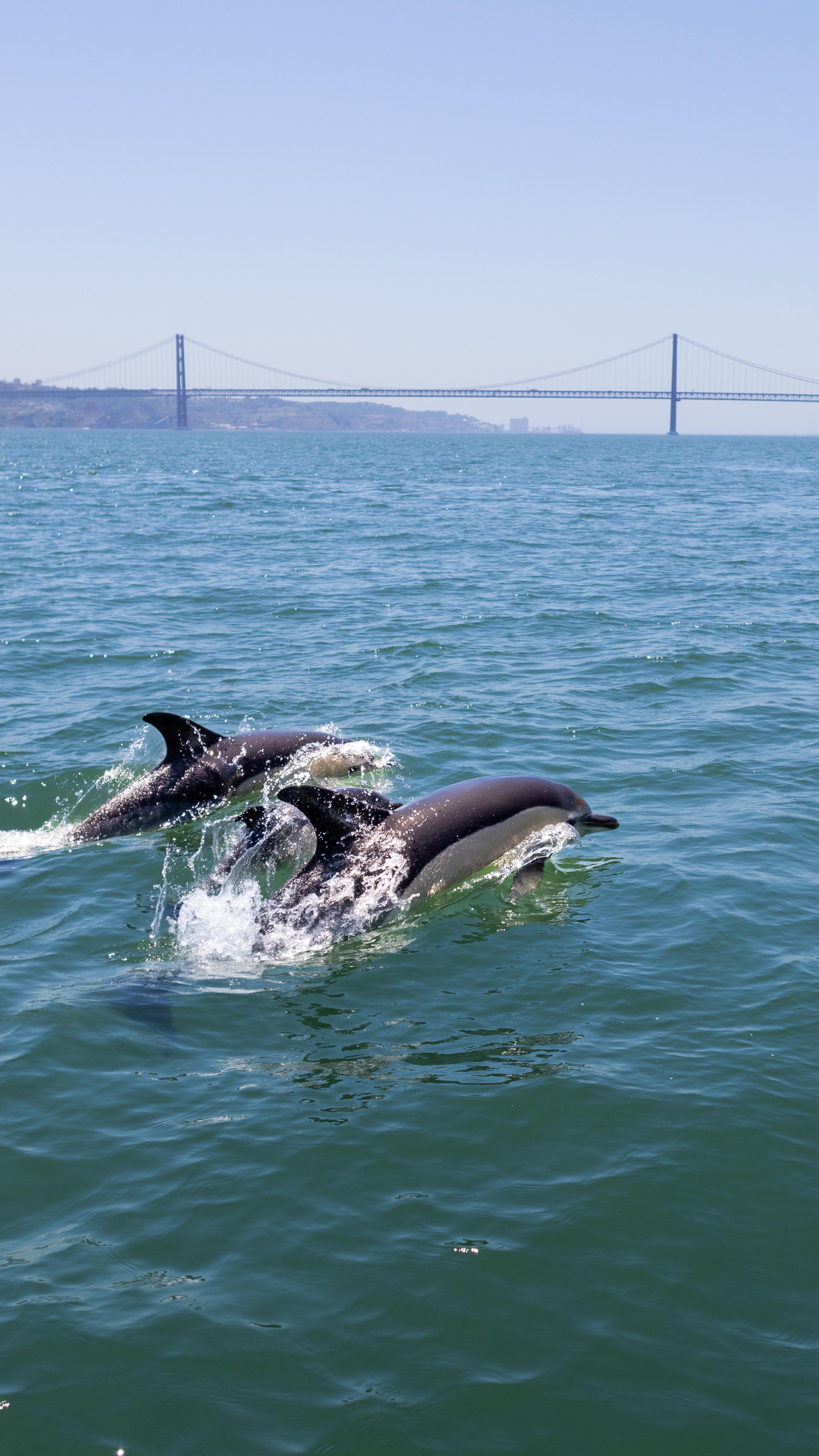
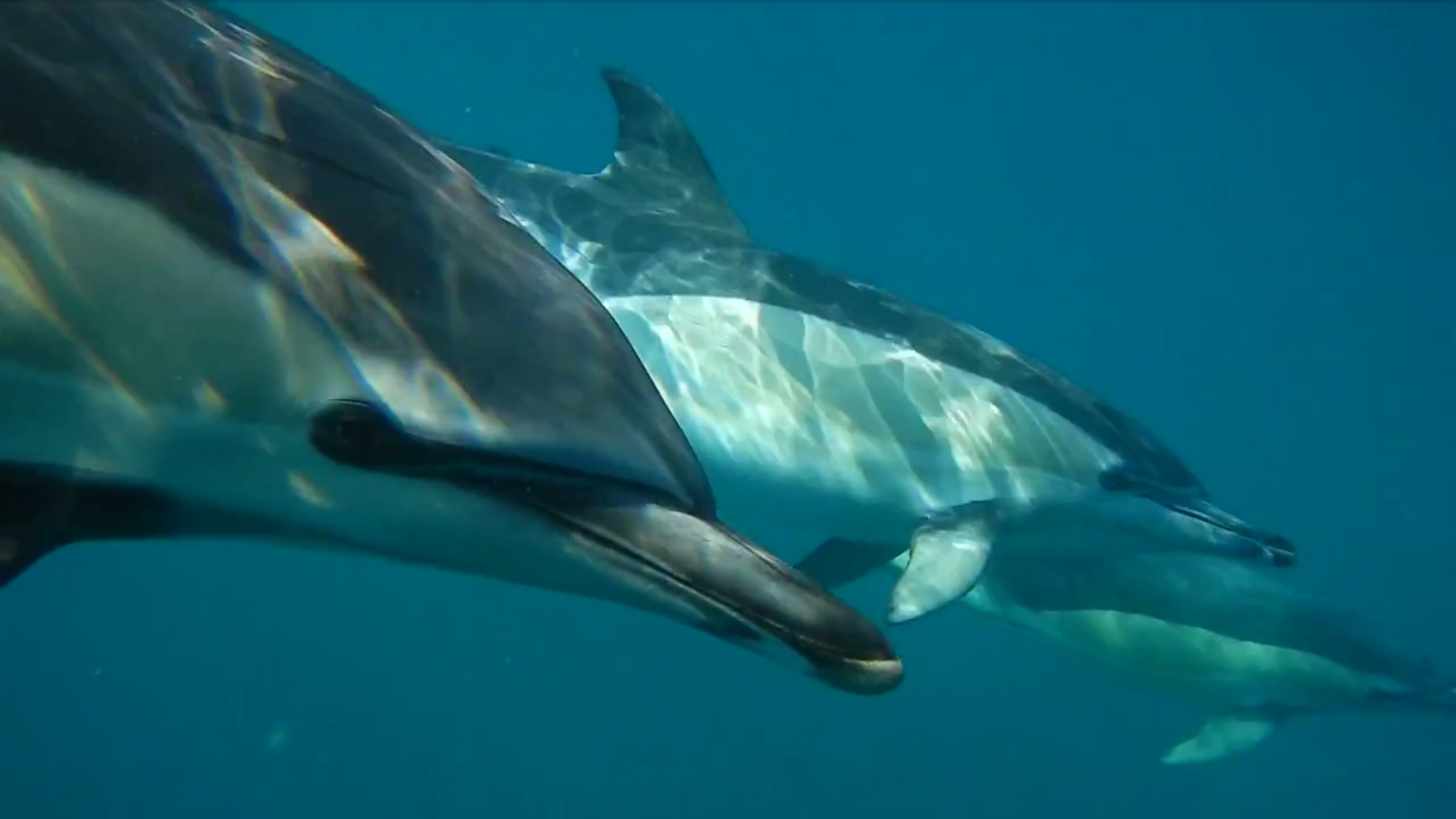
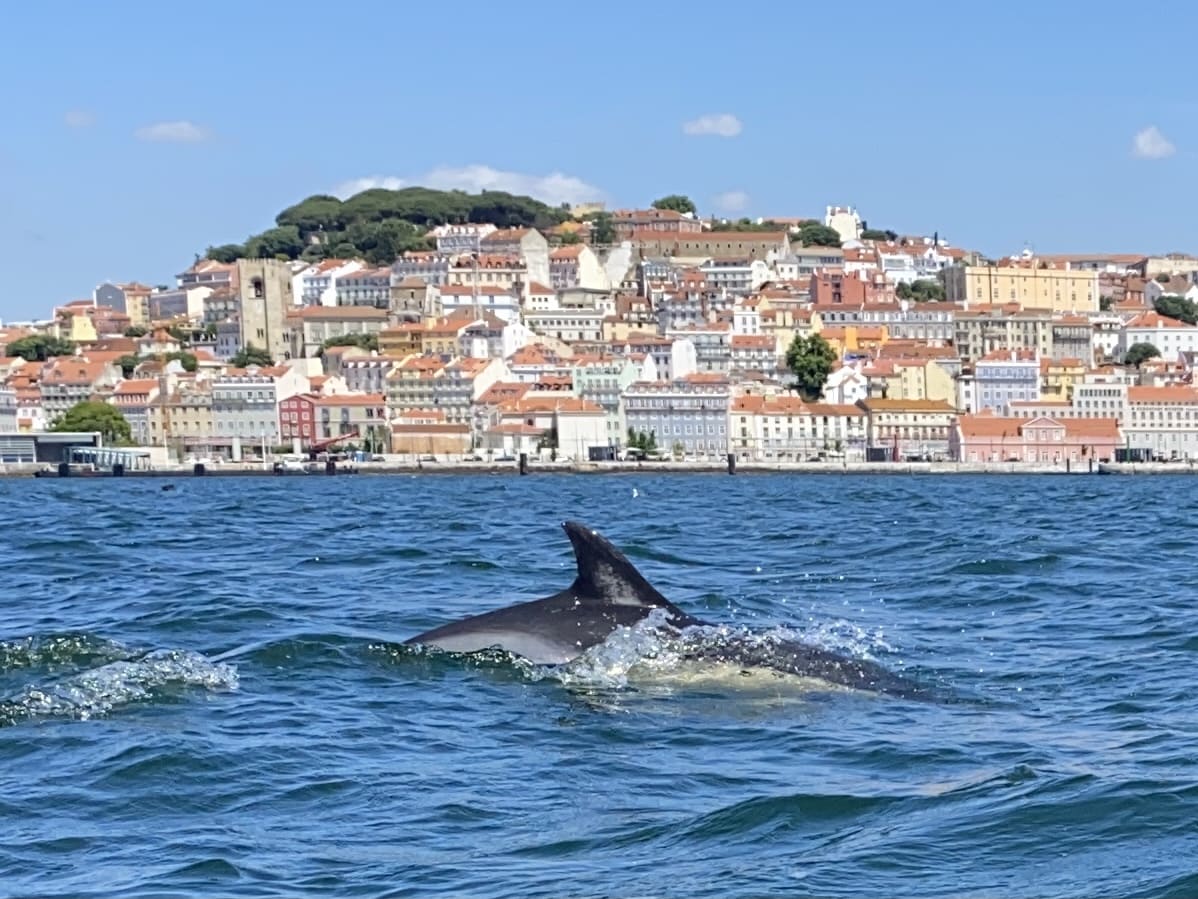
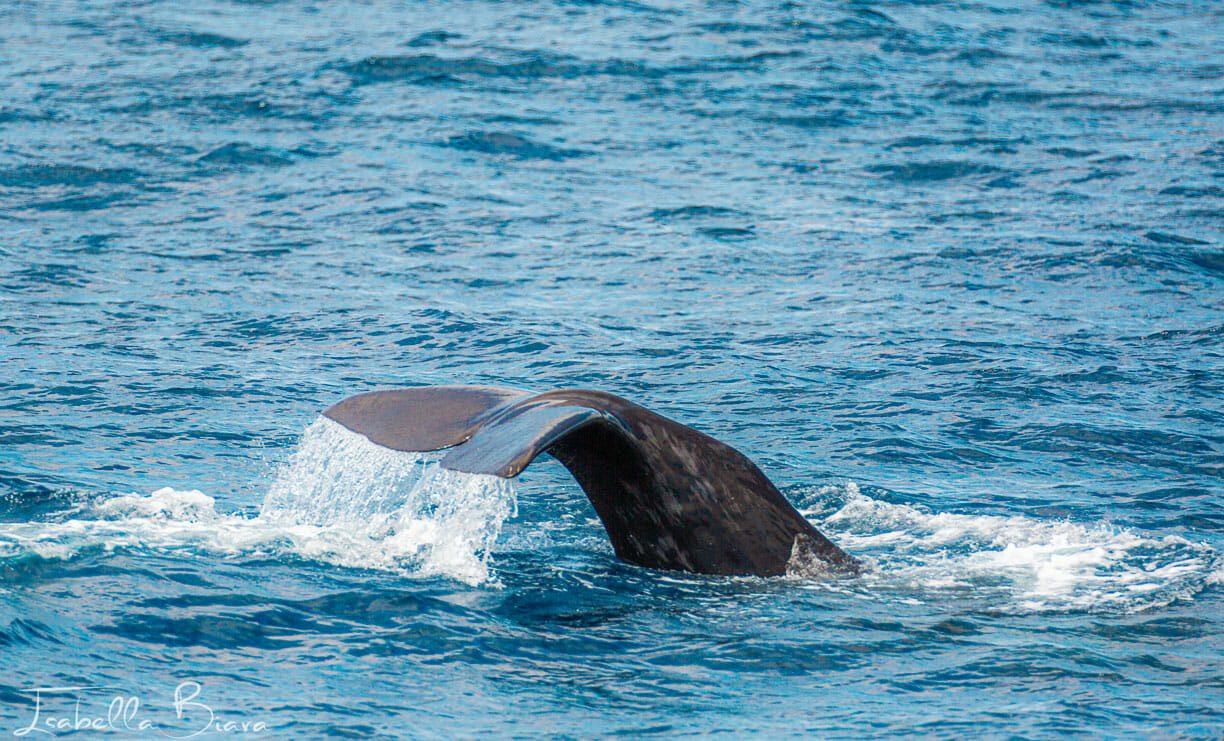
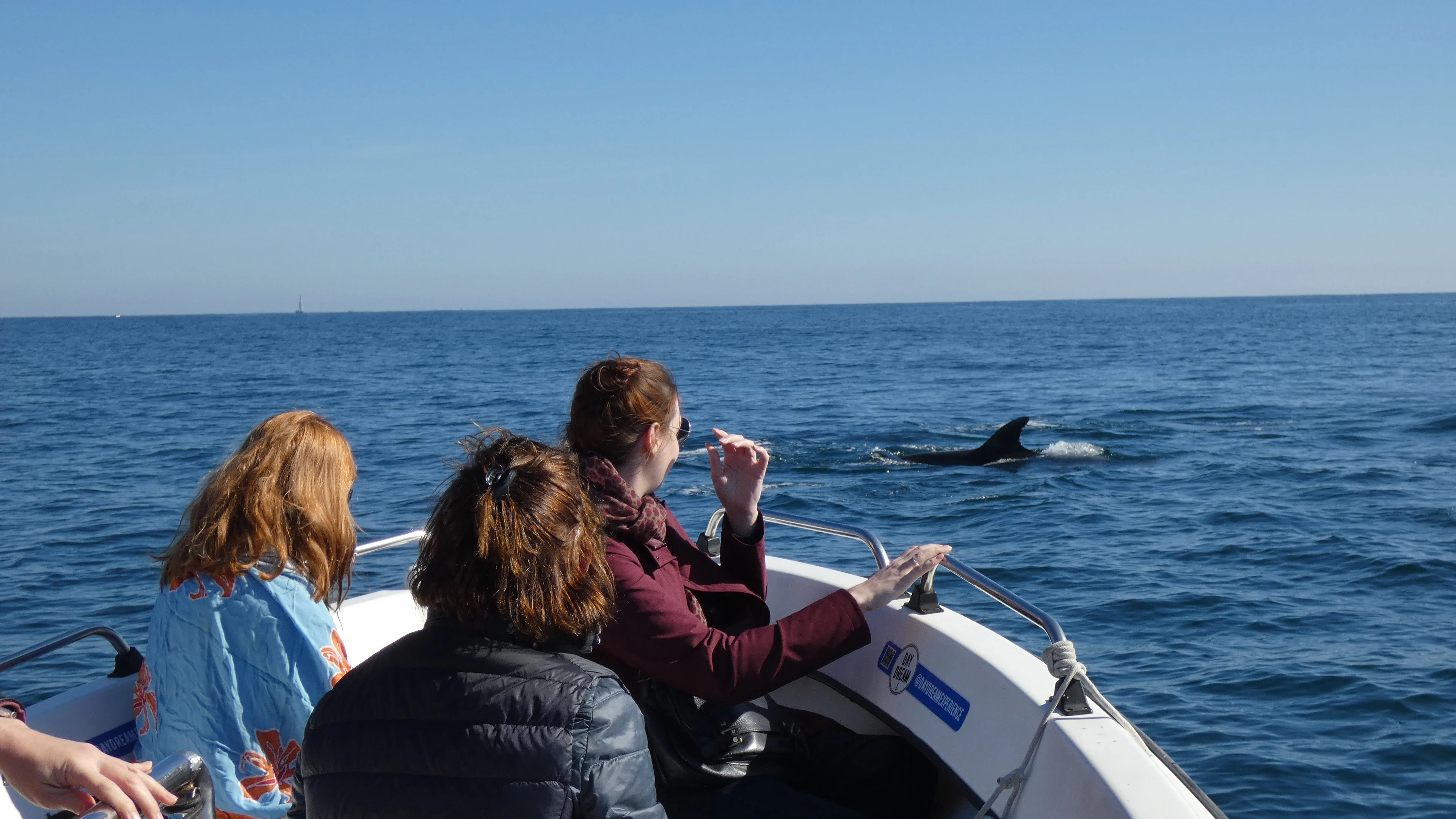
Twenty minutes out, the first dorsal fin cuts the surface 40 meters off the starboard bow — then two more, then five, a hunting pod moving in coordinated arcs. The engine cuts to idle. You watch as bottlenose dolphins work the current line, corralling mullet against an invisible thermal boundary, their synchronized dives timed to the school's panic movements. One animal breaches fully, seawater streaming off its flanks. The biologist identifies it by a notched dorsal fin, a female catalogued since 2019.
The pod stays near the boat for 12 minutes, alternating between deep feeding dives and surface respiration cycles. You photograph their exhalations, the mist backlit by morning sun. Beyond them, the Atlantic horizon stretches unbroken, and the lighthouse at Bugio Fort marks the estuary's seaward edge. The return crossing takes 30 minutes, the city's terracotta roofline growing sharper as you approach the Belém waterfront.
All the details about your upcoming adventure in one place
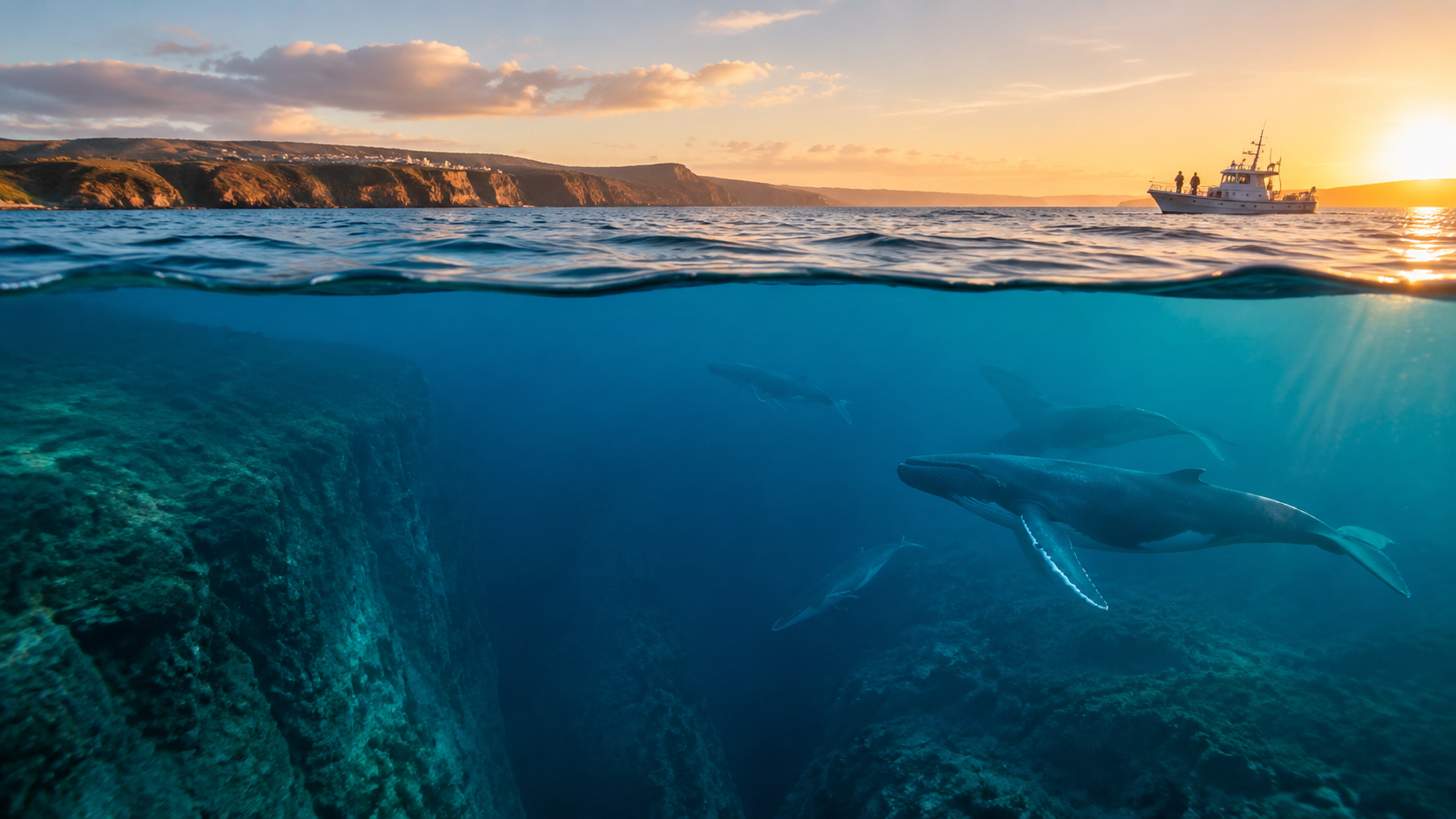
The Tagus estuary holds one of Europe's most accessible resident dolphin populations — more than 30 bottlenose dolphins patrol the river mouth year-round, drawn by the nutrient upwelling where freshwater meets the Atlantic.
Portuguese naturalists began systematic cetacean surveys here in 1981, and by the mid-1990s marine biologists had catalogued individual animals by dorsal fin notches and behavioral patterns. The river's width — nearly 15 kilometers at its broadest — creates a marine corridor that channels migratory species between the open ocean and the sheltered inner basin, making sightings reliable in every season.
Today the Tagus supports both resident bottlenose dolphins and seasonal visitors: common dolphins appear in spring and autumn, and minke whales pass through the outer estuary during late winter. The Portuguese coastline lies along the North Atlantic right whale migration route, though sightings within the river itself remain rare. What distinguishes Lisbon whale watching tour excursions from open-ocean charters is proximity — departures from Doca de Santo Amaro reach dolphin feeding grounds within 20 minutes, and the estuary's relative calm makes observation accessible to families and those prone to seasickness.
Marine biologists now accompany most commercial departures, translating dolphin surface behaviors — tail slaps, breaches, spy-hops — into feeding strategies and social communication. The Tagus population feeds primarily on European sea bass and mullet, hunting cooperatively in groups of four to eight animals. Researchers have documented individual dolphins returning to the same feeding zones for more than a decade, a site fidelity that allows guides to predict encounter locations with accuracy. The estuary's industrial history — shipyards, container terminals, the April 25th Bridge's steel pylons — provides a contrasting backdrop to wildlife observation, a reminder that adaptation, not isolation, defines urban marine ecosystems.
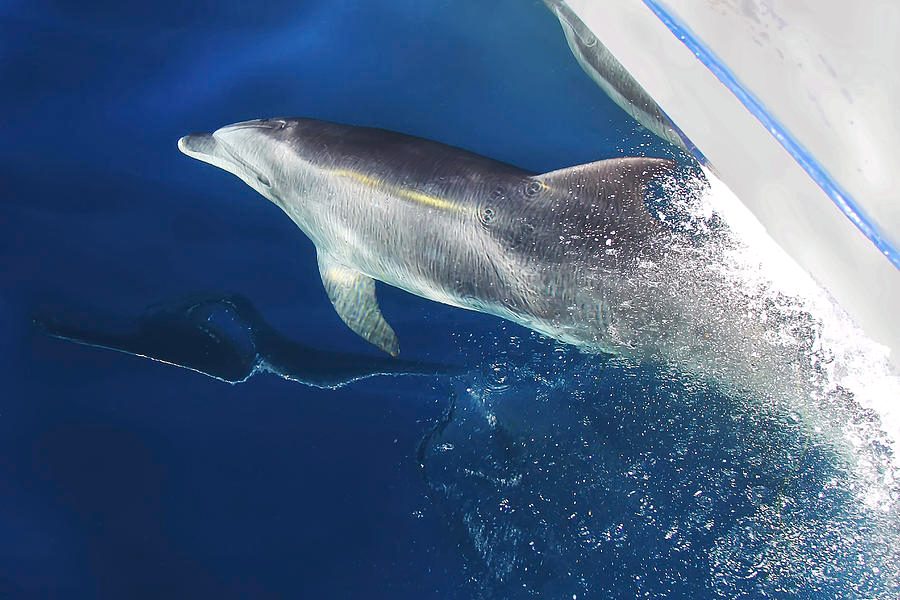
Operators departing from Armazém 17 work under Portuguese marine mammal protection protocols established in 2005, which mandate minimum approach distances and engine-cut procedures when dolphins initiate bow-riding. Morning departures between 09:15 and 14:00 align with tidal movements that concentrate fish schools near the surface, increasing dolphin activity. The Tagus remains one of the few European capitals where cetacean research and tourism operate in the same waterway, each informing the other.

More than 30 bottlenose dolphins patrol the river mouth year-round, drawn by the nutrient upwelling where freshwater meets the Atlantic.
Wear comfortable, non-slip footwear and bring a windbreaker or warm jacket, as ocean temperatures are cooler than on land during a lisbon whale watching tour.
Keep belongings minimal. Secure bags in waterproof compartments if provided by your operator during the lisbon whale watching tour.
Bring a camera with a neck strap. Protecting gear from sea spray is advised while capturing wildlife on a lisbon whale watching tour.
Children are welcome on many tours, though operators may have minimum age requirements for a lisbon whale watching tour. Always confirm child safety equipment availability.
Vessels used for a lisbon whale watching tour often have limited mobility access; inquire with your specific operator about physical requirements.
Carry light snacks and water. Some operators provide refreshments, but it is best to prepare for your lisbon whale watching tour by hydrating beforehand.
Opening hours
09:15–17:00
Address
Doca de Santo Amaro, Armazém 17, 1350-353 Lisboa, Portugal
Departure point
Arrival window 09:15–14:00 recommended
Weather
Check marine conditions before your lisbon whale watching tour
Storage
Restricted space on boat; travel light
Navigation
Located below the 25 de Abril Bridge
Full refunds are typically available if you cancel at least 24 hours before your scheduled lisbon whale watching tour. Late cancellations or no-shows may incur a 100% penalty of the fee.
Recommended time
3-4 hours
A lisbon whale watching tour typically requires three to four hours to account for check-in at Doca de Santo Amaro and the boat transit toward the Atlantic. We recommend the 09:15–14:00 arrival window to secure your spot for dolphin watching tours and ensure sufficient time for the marine wildlife observation briefing. Planning your visit for these hours helps avoid the peak afternoon congestion at the dock, as early bookings provide smoother access to these Lisbon boat tours.
Crowd levels through the day
The Tagus estuary has witnessed maritime traffic for millennia, but organized cetacean observation from Lisbon emerged only in the late twentieth century. Portuguese fishermen long reported dolphin pods near the river mouth, yet formal whale watching tours began around 1998 when marine biologists partnered with local boat operators to offer seasonal excursions. Early ventures targeted bottlenose dolphins and occasional minke whales migrating past the Atlantic coast. By 2003, three operators ran sporadic trips from Belém and Cascais, though unpredictable sightings and rough swells deterred casual tourists. The 2008 establishment of stricter EU marine protection zones transformed the industry. Operators adopted rigid approach protocols, maintaining minimum distances from cetaceans and limiting engine noise. The Portuguese Institute for the Sea and Atmosphere began tagging resident dolphin populations in 2011, publishing migration data that allowed tour companies to optimize departure schedules. A 2014 incident involving a reckless speedboat prompted new licensing requirements, consolidating the market around certified operators at Doca de Santo Amaro. Marine biologists now accompany most lisbon whale watching tour departures, providing real-time species identification and behavioral commentary. Modern tours depart year-round, with peak sightings between May and October when common dolphins follow sardine schools into the estuary. The 2019 expansion of Lisbon's cruise terminal initially raised concerns about vessel congestion, but coordinated scheduling with harbor authorities preserved dedicated whale watching corridors. Hydrophones installed in 2021 allow crews to detect distant pod vocalizations, raising success rates above eighty percent. The Oceanário de Lisboa now sponsors research voyages, funding population surveys that inform conservation policy across Portuguese waters.
First organized cetacean observation tours depart from Belém and Cascais with marine biologist guides.
Three operators establish seasonal schedules targeting bottlenose dolphins near the Tagus mouth.
EU marine protection zones impose strict approach protocols and minimum distance requirements for tour vessels.
Portuguese marine authorities begin tagging resident dolphin populations to map migration patterns.
Licensing reform consolidates operators at Doca de Santo Amaro following a speedboat incident.
Cruise terminal expansion prompts coordinated scheduling to preserve whale watching corridors.
Hydrophone technology installation raises dolphin detection success rates above eighty percent.
Stand near the wooden piers to capture the vessel against the backdrop of the 25 de Abril Bridge. This serves as the primary meeting point for your lisbon whale watching tour.
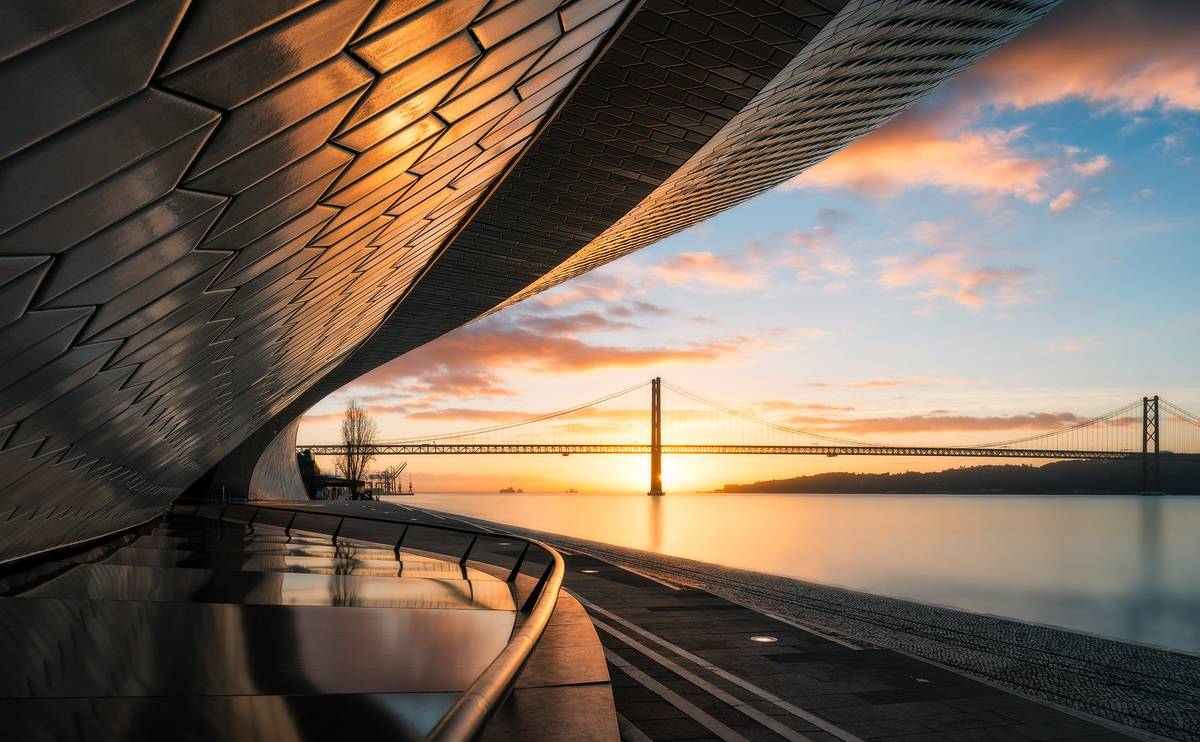
Position yourself along the riverbank to capture the structural steel of the suspension bridge framing your boat. This location offers a perspective of the Tagus River currents.
From this historic shoreline, capture wide shots of the marine excursion vessel passing the landmark. This area provides a clear horizon line for maritime photography of various lisbon whale watching tour tours.
This elevated promenade offers a high vantage point to photograph boats departing toward the Atlantic. It is a preferred spot for those seeking lisbon whale watching tour tickets while observing the estuary.
Embarking on a lisbon whale watching tour provides children a unique opportunity to encounter marine life in the wild across the Tagus River estuary. This experience requires careful preparation to ensure comfort and engagement for younger guests throughout the boat excursion.
Manage potential motion sickness by keeping children centered on the boat and encouraging them to look at the horizon rather than down at the water. Consider opting for lisbon whale watching tour tickets that offer a shorter duration to help younger passengers maintain focus and comfort
This activity is best suited for school-aged children who can follow safety instructions and remain seated while the vessel is in motion. We recommend reviewing the lisbon whale watching tour tours options to select a vessel size that matches your child's comfort level with open water
The meeting point at Doca de Santo Amaro, Armazém 17, 1350-353 Lisboa, Portugal offers convenient access to nearby amenities before departure. Please note that storage for strollers is limited, so plan to bring only essential gear for your lisbon whale watching tour tour session
Children should be prepared for the reality that wildlife sightings are subject to natural conditions. Explain that finding dolphins or whales is an active search, which can be part of the excitement for young explorers
For the most comfortable experience, aim to arrive within the best arrival window of 09:15–14:00 to avoid rush-hour stress at the marina. Having extra time allows families to settle in before the boat leaves the dock.
Doca de Santo Amaro offers several dining options right at the marina, making it convenient to grab a meal before or after your lisbon whale watching tour. These waterfront establishments provide a relaxing atmosphere for visitors preparing to board their marine wildlife excursion.
Located directly at the dock, this spot offers a variety of seafood and traditional Portuguese dishes perfect for a pre-departure meal. It is a popular choice for travelers needing a quick sit-down experience before finalizing their lisbon whale watching tour tours.
Everything you need to know for your journey
The operator booking office is open daily from 09:15–17:00.
Accessibility for a lisbon whale watching tour varies by boat type; please check physical requirements before booking.
The best arrival window for your lisbon whale watching tour is 09:15–14:00 to maximize potential sightings.
Bring comfortable shoes, a jacket, sunscreen, and your camera for the best experience on your lisbon whale watching tour.
Photography is encouraged, but ensure your gear is protected from the ocean spray during your lisbon whale watching tour.
Most operators allow children, though age limits vary; check the specific requirements for your lisbon whale watching tour.
Tours may be rescheduled or refunded based on marine safety conditions; contact your operator for the specific policy on your lisbon whale watching tour.
Yes, it is recommended to arrive 15 minutes before your scheduled departure window for your lisbon whale watching tour.
Beyond whales, you may spot dolphins, seabirds, sunfish, and occasionally sea turtles during a lisbon whale watching tour.
Join thousands of happy travelers who have discovered this incredible experience
Book Your Experience Now